Val d’Orcia
A beautiful agrarian landscape reflecting a Renaissance aesthetic.

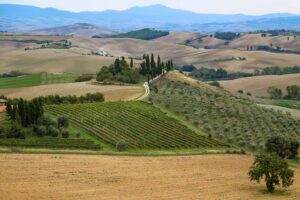
A beautiful agrarian landscape reflecting a Renaissance aesthetic.
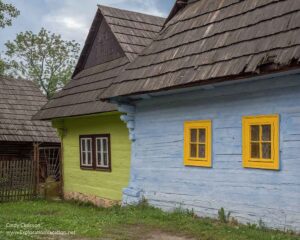
A well-preserved rural mountain village with traditional wooden architecture.
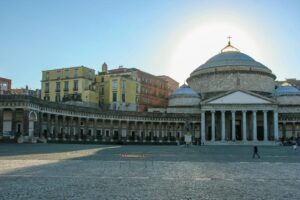
An ancient Italian city containing a wealth of elements – architecture, art, archeology – displaying its long history.
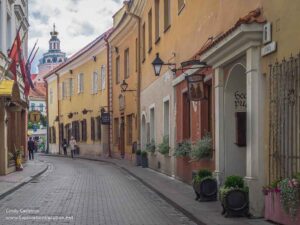
An Eastern European city center with its original medieval street layout and architectural forms spanning centuries.
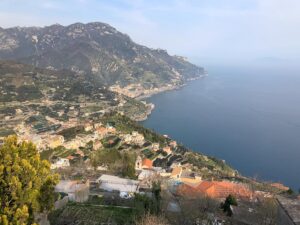
A scenic and dramatic landscape of rugged mountainous coastline and small towns crowding the slopes above the sea.
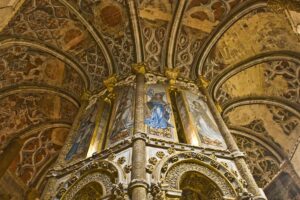
An architectural retrospective of Portugal and the Knights Templar in the form of a monastic center dating to the 12th-16th century.
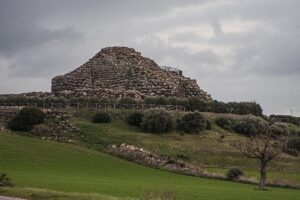
Ruins of a Bronze Age society that built unique circular defensive structures.
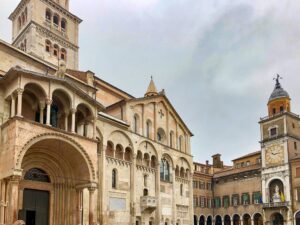
Romanesque architecture and art in harmony, in a charming Italian city.
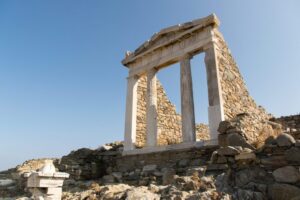
Extensive archeological site of an ancient Greek commercial center on an Aegean island.
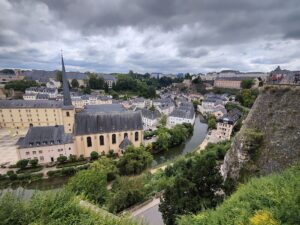
Impressive fortifications and the original urban center of a historically important city.
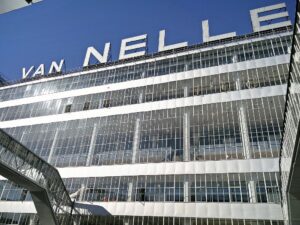
A masterpiece of modernist industrial design from the inter-war period.
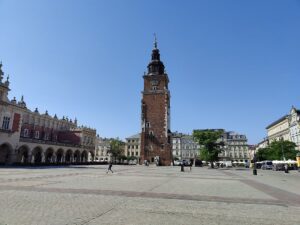
An important market town for hundreds of years and an outstanding example of urban planning, with a range of historical architectural styles.
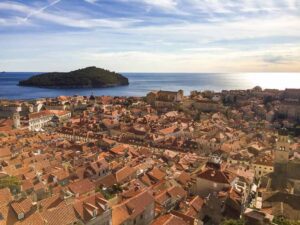
A well-preserved medieval, Renaissance and Baroque city inside extensive intact fortifications.
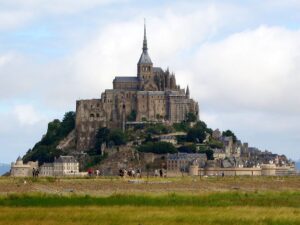
A magnificent Gothic abbey on top of a small island in a bay with dramatic tides.
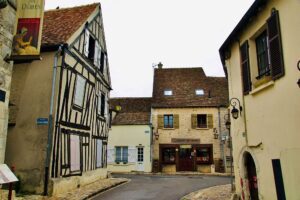
A beautifully intact example of a medieval trading city.
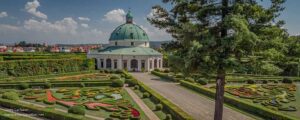
A palace and three gardens, one of which represents the epitome of Baroque garden design.
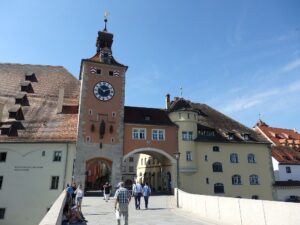
A beautifully-preserved and very picturesque medieval trading city.
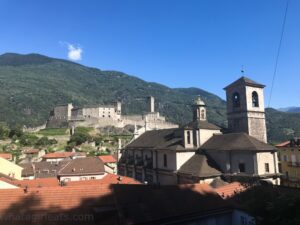
Medieval-era fortifications that once guarded a key strategic pass in the southern Alps.
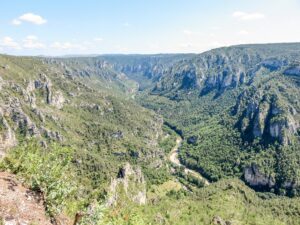
A rural landscape shaped by centuries of farming, where old agricultural techniques are still in use.
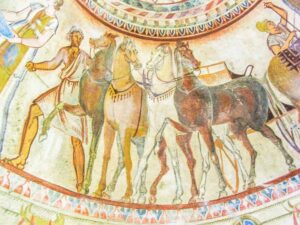
A 4th-century tomb containing frescoes that are masterpieces of Hellenistic Thracia.
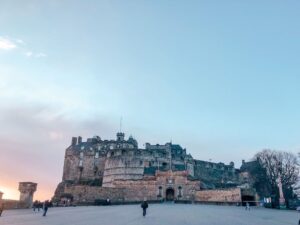
A medieval Old Town and a neoclassical New Town that harmonize beautifully and that influenced European urban planning.
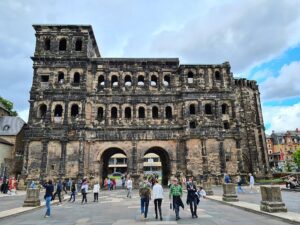
A collection of Roman ruins showing the importance of the “Rome of the North” in Germany.
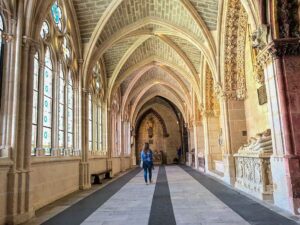
A magnificent example of Gothic architecture.
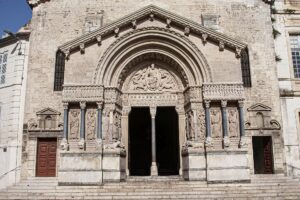
A grand Roman city and its later Romanesque additions, well-preserved in Arles city center.
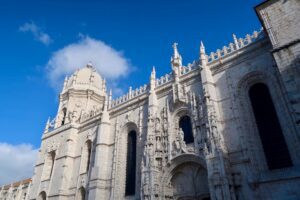
Two striking buildings from Portugal’s “Golden Age” of global exploration and seafaring.
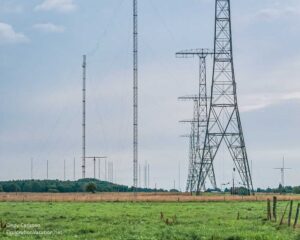
For radio buffs, a surviving operational example of pre-electronic radio technology.
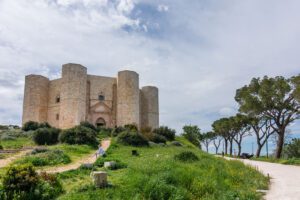
An unusual castle expressing Frederick II’s search for perfection, leading him to design the castle around the number 8.
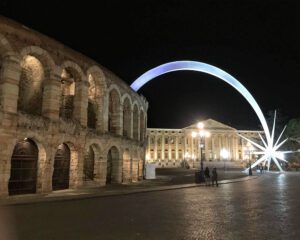
A city exemplifying 2000 years of uninterrupted artistic and architectural development.
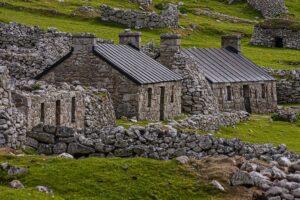
An isolated island of dramatic landscapes: a nature sanctuary, with ample evidence of human fortitude in such a remote spot.
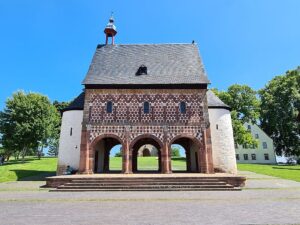
A rare example of architecture from the Carolingian period.
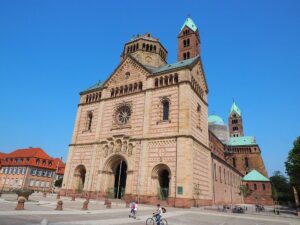
A landmark of Romanesque architecture dating to the 11th century.
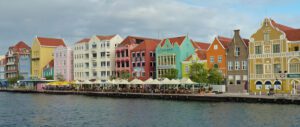
A colorful, dynamic and diverse Caribbean island capital with four distinct historical districts.
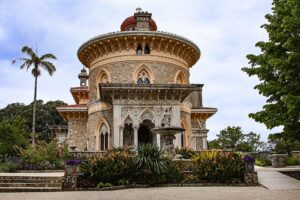
A fine collection of fanciful Romantic-style palaces and castles.
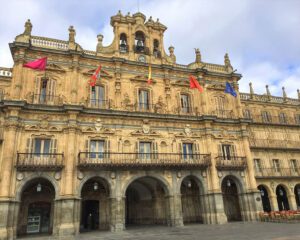
An ancient city with stunning architecture in Gothic, Renaissance and Baroque styles.
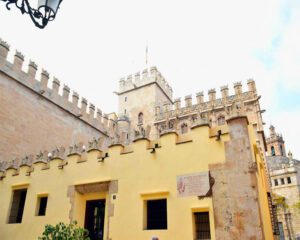
A masterpiece of late-Gothic architecture, used as a trading hall in the silk trade.
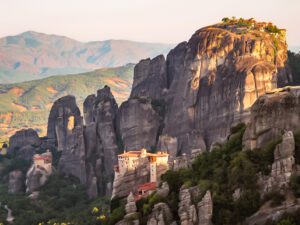
Perched on high rocks, these monasteries served as places of retreat and prayer for monastic communities.