
Beaches of the D-Day Landings, Normandy, 1944

By Faith Coates
What are the Beaches of the D-Day Landings?
This UNESCO group of beaches along the Normandy coast were where the Allied forces landed on D-Day: 6 June 1944. This daring and coordinated action, code-named Operation Neptune, was the beginning of the end of the Nazi occupation of Western Europe.

Disclosure: This article contains affiliate links. Making a purchase through an affiliate link will mean a small commission for this website. This will not affect your price. Privacy policy.
The UNESCO designation includes five beaches stretching across about 80 kilometres (50 mi) of coastline, all still bearing their D-Day code names. The sixth location, Pointe du Hoc, is a point of land on cliffs above the sea.
- Utah Beach
- Omaha Beach
- Gold Beach
- Juno Beach
- Sword Beach
- Pointe du Hoc
The US military led the landings on Utah and Omaha beaches, the British landed at Gold and Sword beaches, and the Canadians landed at Juno Beach. At Pointe du Hoc, a US Army regiment climbed the cliff to take over the German post at its top.
Today, the beaches of Normandy are far more than beautiful stretches of coastline. Having visited them several times, I still find the long sands, sea and peaceful villages and towns behind them profoundly moving, because it is almost impossible to stand here without thinking about the thousands of young men who came ashore under fire on 6 June 1944, and the terrible human cost that followed. You can picture the first waves of soldiers running from the landing craft onto those beaches that morning.
Why are the beaches of Normandy a UNESCO World Heritage site?
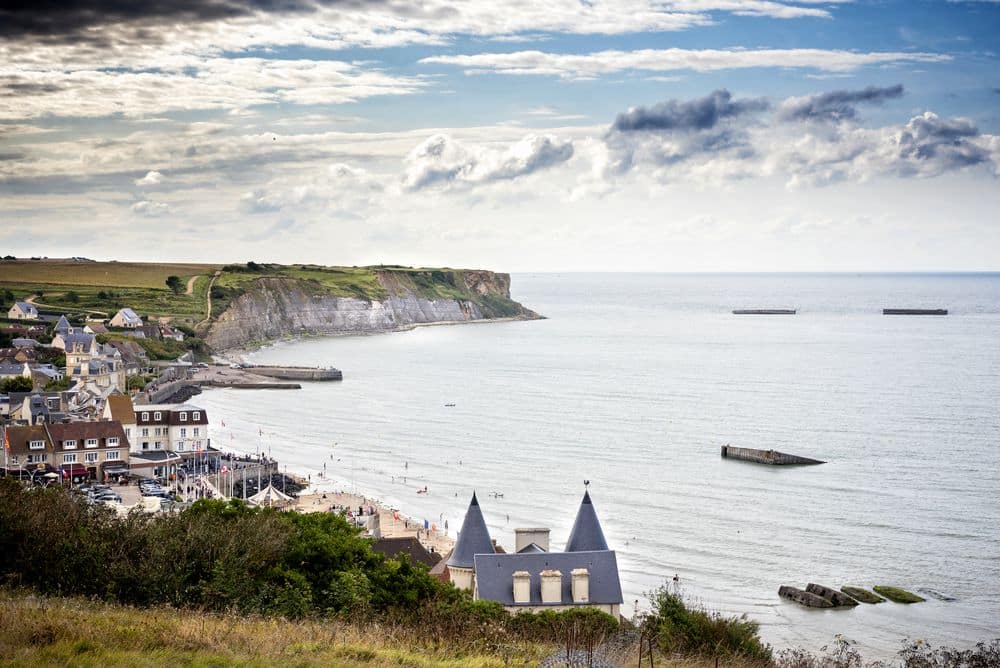
The site that got UNESCO’s attention in July 2026 is not just the sand, though. It stretches to take in Pointe du Hoc and its pockmarked clifftop, what remains of the Mulberry Harbour still sitting out in the water at Arromanches-les-Bains, the Normandy American Cemetery on the rise above Omaha Beach, and an array of bunkers, museums, cemeteries and memorials along the coastline.
This area is defined by UNESCO “as an exceptional cultural landscape defined by the historic June 6, 1944 allied landings and their profound global remembrance.” In addition, the consequences of D-Day are significant to this day. “The planning of Operation Neptune, in which seventeen ‘united nations’ took part, is inseparable from that of a new international order, the foundations of which were laid in 1941 and incorporated into the Charter of the United Nations adopted on 26 June 1945,” according to UNESCO.
What can you expect on a visit to the beaches of Normandy?
What surprises most people is how normal it all looks now. There are families on the beaches building sandcastles and enjoying picnics a hundred metres away from rusting pieces of wartime equipment.
But the beaches are only part of a much bigger story. Nearby are many cemeteries, museums, and preserved bunkers that can be visited. They help deepen your understanding of the events and aftermath of Operation Neptune.
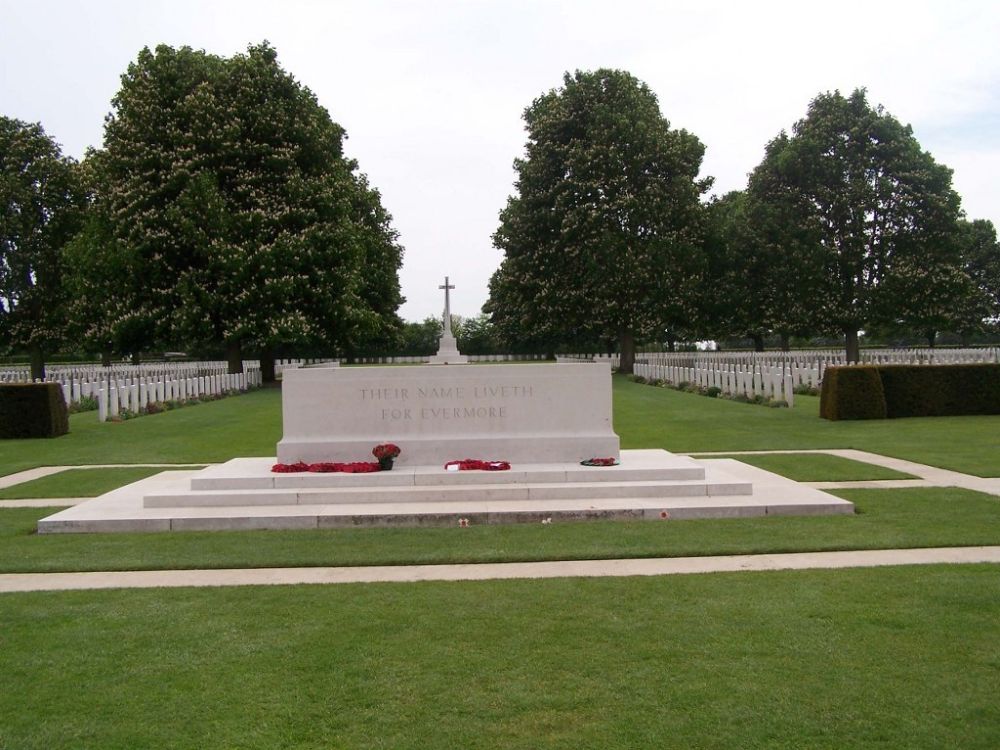
I went through the Normandy American Cemetery with its 9,388 graves and it is emotionally devastating. Rows of white crosses and Stars of David, all facing the sea, all perfectly aligned. To see all those graves and note the age of the boys and men buried here is heartbreaking. Photographs do not do it justice.
The Bayeux War Cemetery commemorates 4,648 British Commonwealth soldiers, and the Bény-sur-Mer Cemetery contains 2,049 Canadian graves. The La Cambe Cemetery holds 21,222 German graves, maintained as a reminder that war affects all nations.
The Arromanches D-Day Museum walks you through the sheer logistics of towing an artificial harbour across the Channel. It sounds almost absurd until you stand there, looking at the concrete remains of it.
I also visited the Juno Beach Centre, the only Canadian museum on the D-Day beaches, telling the story of Canadian military and civilian contributions to the war effort. One fact I learned when visiting these museums is that they are all staffed with young volunteers from the country documented.
Is it worth visiting the beaches?
The beaches, cemeteries and memorials should be sites that are visited by anyone planning a trip to France.
To walk the beaches of the D-Day Landings is to step into a story larger than one person. They are a reminder of loss, resilience, and the fragile peace they bought. Whether you come to trace a grandfather’s footsteps, to grasp the scale of history, or simply to pay quiet tribute, Normandy’s beaches will etch themselves into your soul. Long after you leave, the weight of what happened here lingers as a reminder of what was won, and what we must never take for granted.
One thing I will say for Normandy: it does not try to make any of this feel heroic in a cheap way. No triumphant music, no posturing, no glamour. Every site circles back to remembrance and to what reconciliation actually costs. You’ll notice visitors from a dozen countries moving through in the same quiet way, which is not something you get at every historic site.
Tips for visiting
Hire a car if you possibly can. Otherwise, there are plenty of guided day trips to the D-Day beaches available. Most of them leave from either Bayeux or Paris.
Give yourself a full day at minimum. Two or three is better if you actually want to see the beaches, the museums, Pointe du Hoc and the cemeteries without rushing any of them, and you do not want to rush this one.
Book accommodations near the D-Day beaches.
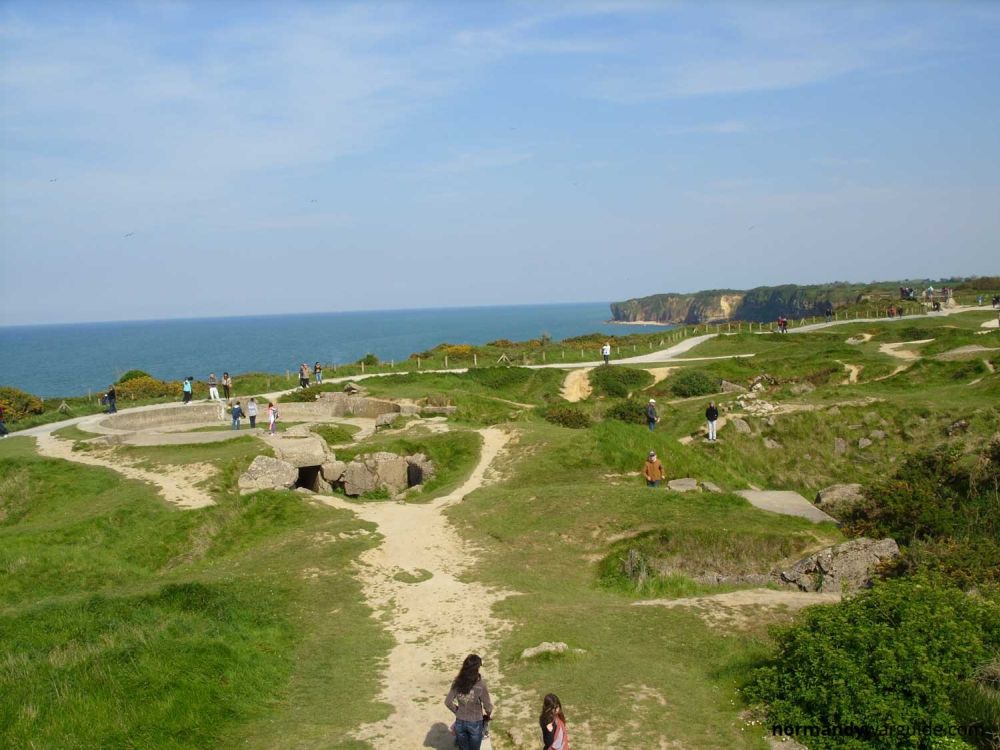
Bring proper shoes, particularly for Pointe du Hoc, where you’ll pick your way around old bomb craters. It is not always level ground.
Go early if you can manage it, especially at the cemeteries and at Arromanches, before the buses loaded with tourists roll in. Visit outside the summer months if your schedule allows it at all.
While you’re in Normandy, go see the magnificent Mont-Saint-Michel, also a UNESCO World Heritage site.
Where are the Beaches of the D-Day Landings?
These are not isolated attractions. This is a vast stretch of French coastline that covers over 80 kilometres (50 mi) of coastline between the villages of Quinéville and Ouistreham.
For more information, visit the D-Day Landing Committee website to learn more about the Normandy Beaches. The Normandy Tourism website has information on the beaches as well as about the many museums, monuments and cemeteries to visit.
Have you been to the D-Day beaches or any of the museums or cemeteries? If so, do you have any additional information or advice about this UNESCO World Heritage site? Please add your comments below!