Late Baroque Towns of the Val di Noto
Eight Sicilian towns that were rebuilt in a distinctive Late Baroque style after a 1693 earthquake.

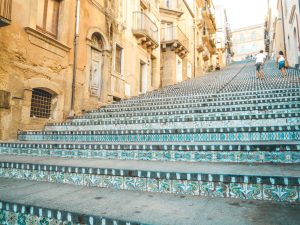
Eight Sicilian towns that were rebuilt in a distinctive Late Baroque style after a 1693 earthquake.
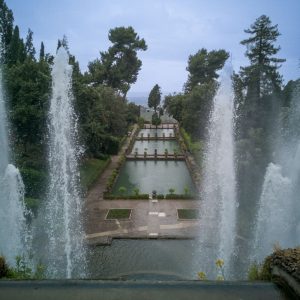
A 16th-century villa with a garden that epitomizes the Renaissance aesthetic in garden design.
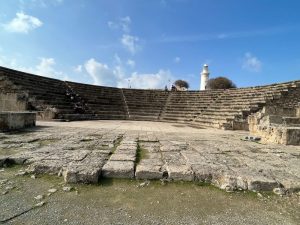
Ruins of an ancient town, much of it Roman-era, and birthplace of the cult of Venus.
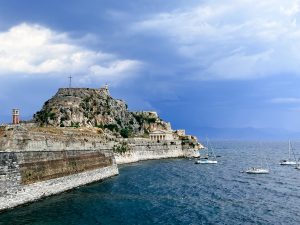
A strategically-important port city dominated by two Venetian fortresses and showing influences from later French, British and Greek rule.
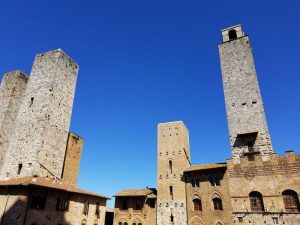
A charming medieval town known for its tall towers and Sienese Gothic artworks.
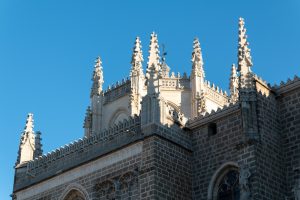
A small city where influences from three different world religions are visible in its architecture and art.
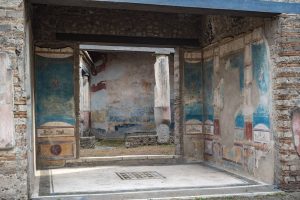
The remarkably-preserved remains of ancient Roman cities destroyed in a sudden eruption of Mount Vesuvius.
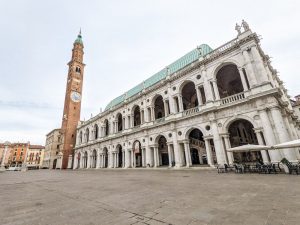
A collection of 16th-century architecture designed by Andrea Palladio in what is now known as Palladian style.
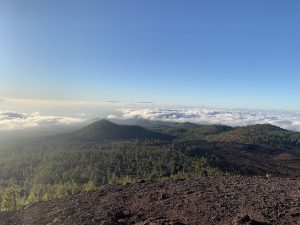
A geologically complex volcano and the otherworldly landscape around it.
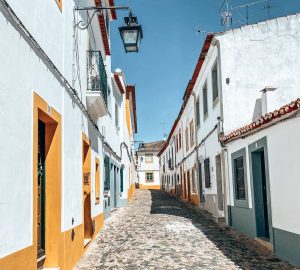
A museum city of architecture of the Portuguese golden age.
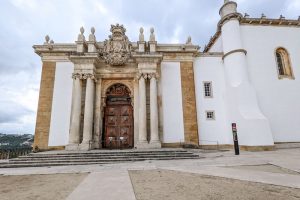
Portugal’s oldest university, with centuries of architecture and ancient traditions.
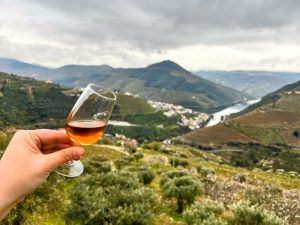
A river valley landscape shaped by centuries of Port wine cultivation and production.
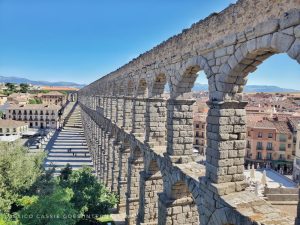
A city with an interesting history of coexisting cultural communities, and with several historic monuments including a wonderfully intact Roman aqueduct.
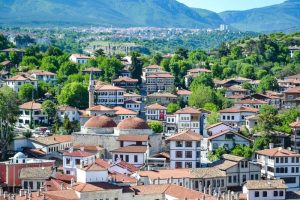
A medieval caravan stop on the Silk Road that contains many examples of traditional Ottoman architecture.
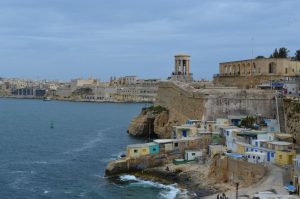
A fortified port city with a long military history and a Renaissance urban plan.
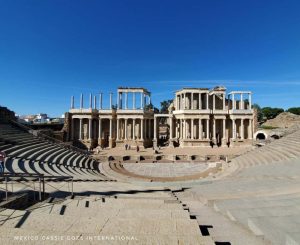
A large group of very well-preserved Roman buildings.
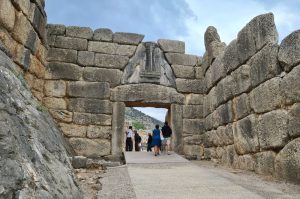
Two sets of ruins from the Mycenaean civilization in the Peloponnese, which preceded the Ancient Greeks.
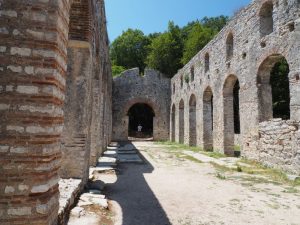
A little-known archeological site in southern Albania with ruins from centuries of occupiers.
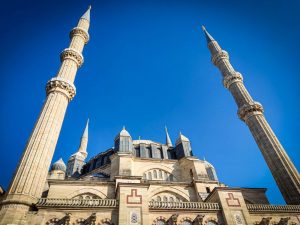
A mosque complex representing the height of Ottoman architectural achievement.
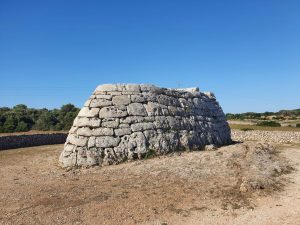
Numerous archeological sites with dry-stone structures dating to the Bronze Age and Late Iron Age.
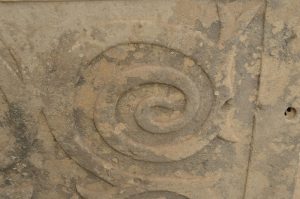
Seven impressive stone structures used for ritual purposes during the Bronze Age.
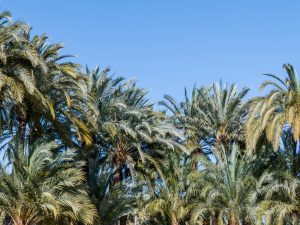
An extraordinary palm grove dating to the Arab period in Spain.
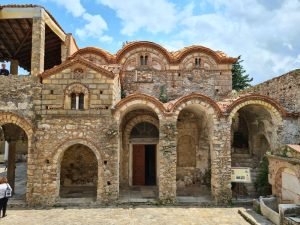
Atmospheric ruins of a complete Late Byzantine city.
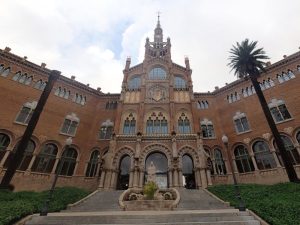
Two exceptional examples of Catalan Art Nouveau architecture in Barcelona designed by Lluís Domènech i Montaner.
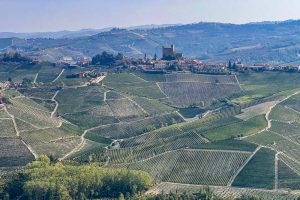
A region of northern Italy representing excellence in winegrowing and winemaking.
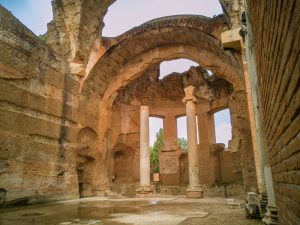
A lavish retreat built for Roman emperor Hadrian in the 2nd century.
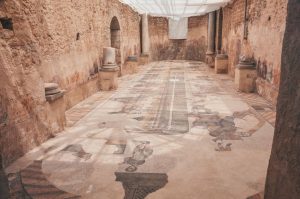
The ruins of a Roman villa with remarkably well-preserved mosaics.
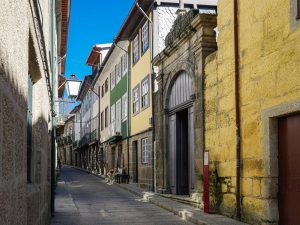
A charming medieval city center, considered the birthplace of Portuguese nationhood.
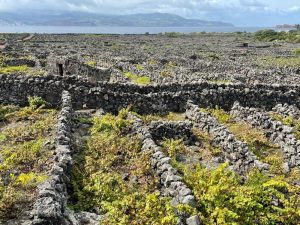
Viniculture in a hostile environment made possible through human ingenuity.
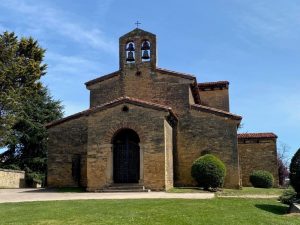
Six buildings that are unique to the short-lived Asturian monarchy.
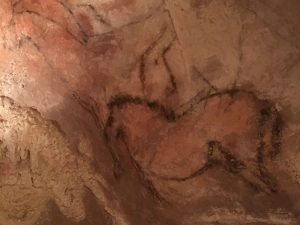
Some of the earliest art by the earliest humans.
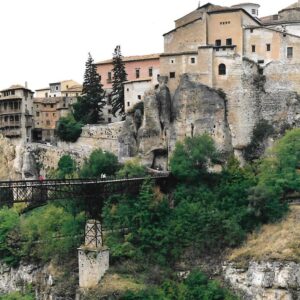
A medieval fortress town in a dramatic location, perched on cliffs.
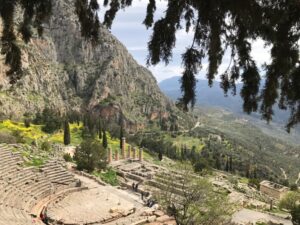
An important religious site for ancient Greeks, who considered it the center of the world.
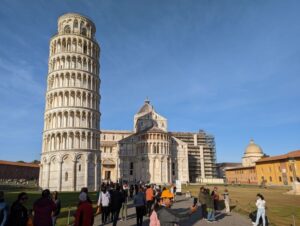
Four masterpieces of Pisan Romanesque architecture, including the world-famous Leaning Tower.
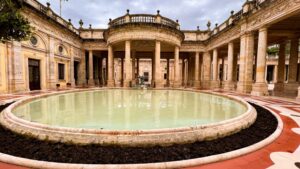
Towns in seven countries where an early tourism industry thrived around natural hot springs.
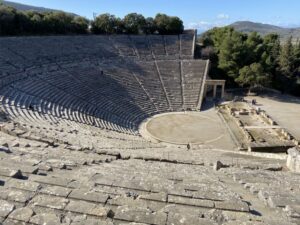
Ruins of an ancient place of healing, with a huge and still intact Greek theater.