
Medina of Sousse
By Juan
What is Medina of Sousse?
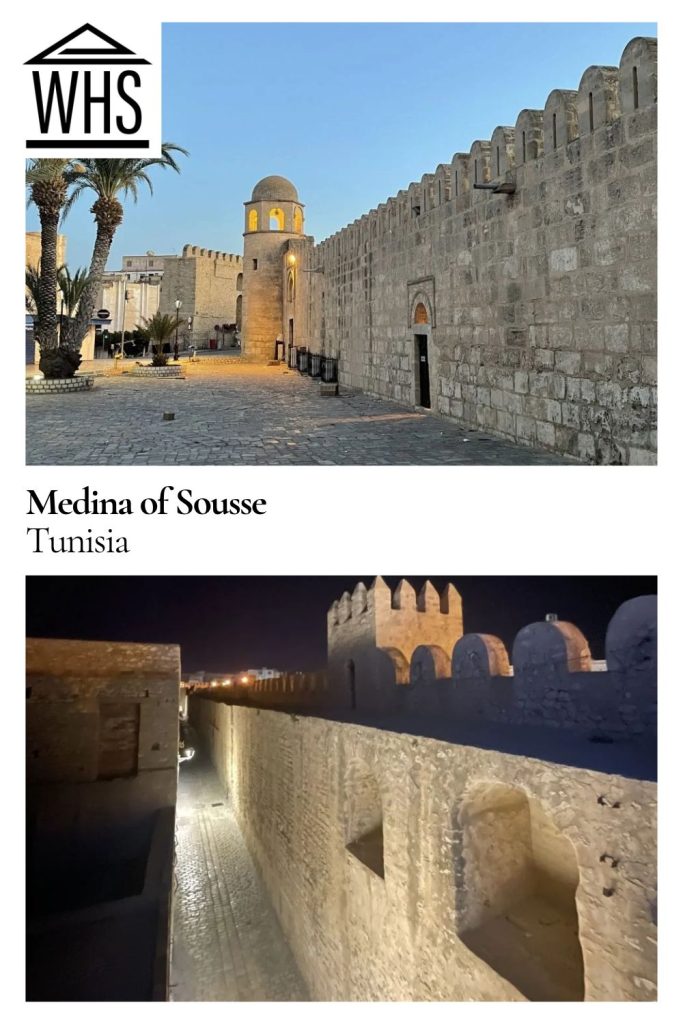
The town of Sousse is located on the coast in the central Tunisian Sahel, with the old walled quarter or medina being the beating heart of the city since its founding in the 9th century. The term medina normally refers to a labyrinthine quarter in cities in North Africa, often featuring beautiful architecture and bustling with life.
Disclosure: This article contains affiliate links. Making a purchase through an affiliate link will mean a small commission for this website. This will not affect your price. Privacy policy.
Why is the Medina of Sousse a UNESCO World Heritage site?
The Medina became a UNESCO World Heritage Site in 1988 as an excellent example of urban architecture during the early centuries of Islam.
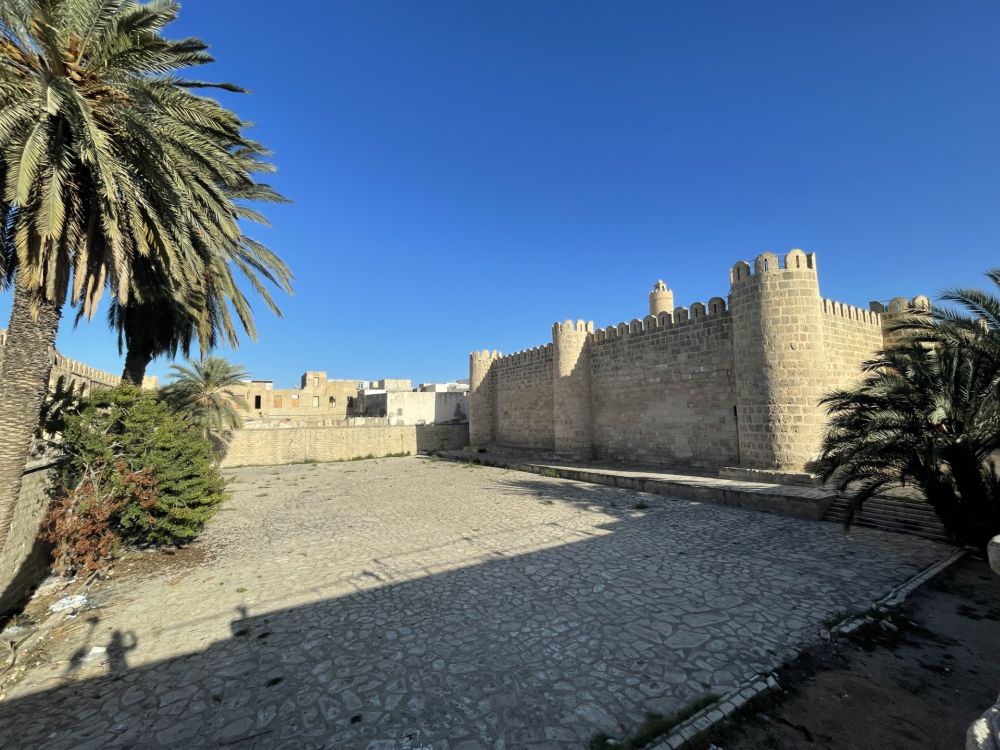
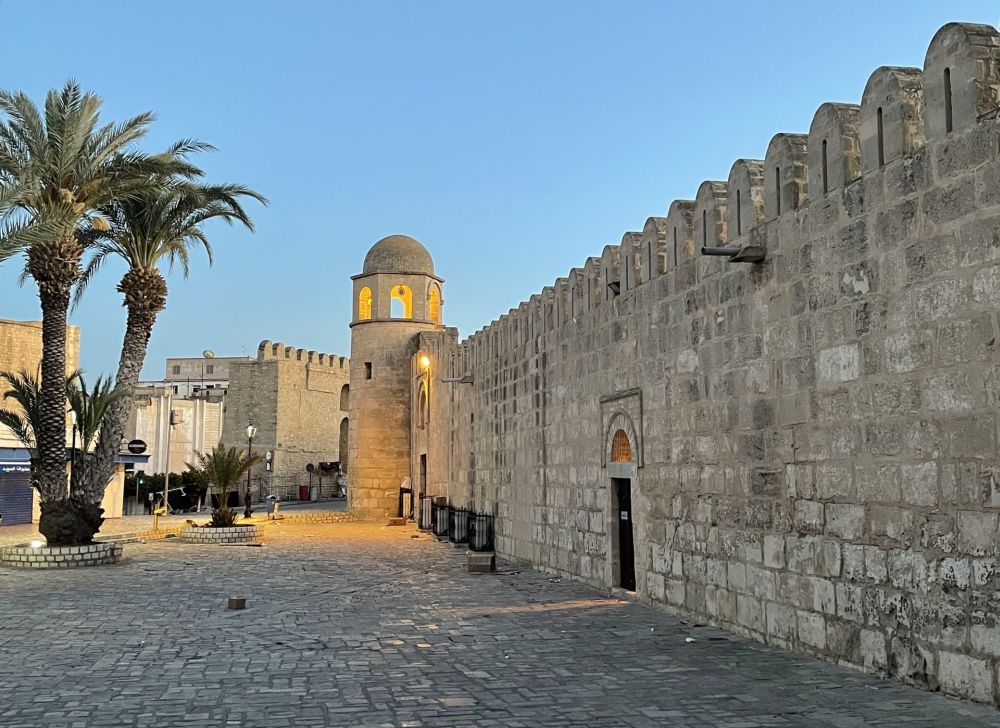
According to UNESCO, “Sousse was an important commercial and military port during the Aghlabid period (800–909) …. With its kasbah, ramparts, medina (with the Great Mosque), Bu Ftata Mosque and typical ribat (both a fort and a religious building), Sousse was part of a coastal defence system.”
What can you expect on a visit to Sousse?
I particularly enjoyed wandering around the narrow lanes of the Medina, experiencing first-hand the daily lives of its inhabitants. This Medina is very walkable, and also next to the sea so you can both admire the architecture and the maritime landscape.
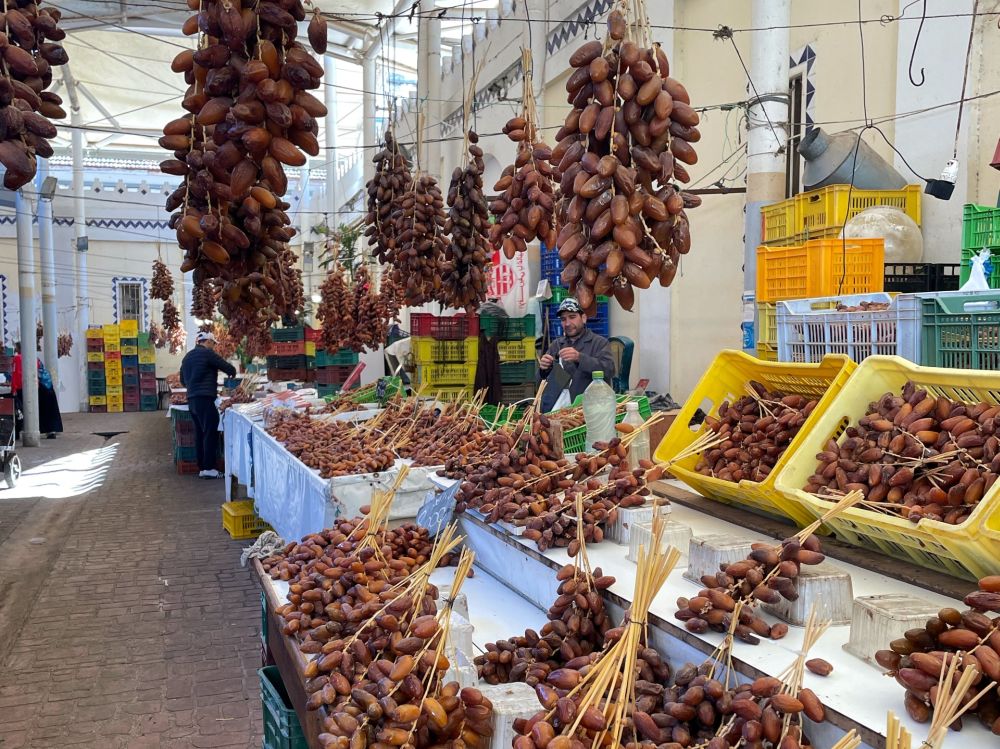
One of the main sites to visit is the 9th-century monastery-fortress of the Ribat, which UNESCO describes as “The most ancient and best conserved of all” of the monuments in the Medina. Other elements are the Great Mosque, the Bou Ftata Mosque, the city walls (ramparts), the kasbah (citadel), and the numerous souks (markets) where you can find groceries, spices, ceramics, everyday objects, souvenirs and restaurants.
The Medina of Sousse is free to visit, although some sites, such as the Ribat, do charge an entry fee.
Is the Medina of Sousse worth visiting?
Definitely! I consider it an essential stop in your itinerary: one of the best things to do in Tunisia, not just because of this UNESCO World Heritage Site but also because of its proximity to other beautiful locations. El Jem, also a UNESCO site, is not far away. Neither is Monastir, a coastal port city. Kairouan, another UNESCO site, is, like the Medina of Sousse, an early Muslim city from the Aghlabid period. Sousse is a great base for your trip.
Sousse also has a pretty nice beach. Although some areas are a bit too touristy for my liking, some parts are relaxing, authentic and not resort-like.
Get an overview by taking this three-hour tour of the medina.
Some other UNESCO sites in Tunisia that you might consider visiting are the ruins of Carthage and the Medina of Tunis, which dates to later centuries than Sousse.
What sorts of travelers would like the Medina of Sousse?
I consider Sousse a very safe, walkable and worthwhile destination for any kind of traveller, from backpackers to couples and families, as it offers enough infrastructure in accommodations, restaurants and activities for different tastes.
As for me, the beauty of the Medina lies in its narrow, labyrinthine streets, passages, roads and squares. This is not necessarily a strenuous destination, but it’s important to be happy walking a lot as you will keep discovering new places every day. So don’t forget to pack some comfy walking shoes.
Tips for visiting Sousse
If you’re on a short trip, one or two days will be enough to visit Sousse, but you can easily spend a week as it’s a great base for nearby attractions. For example, I’d personally recommend to stay in Sousse when visiting El Jem as it’s a nicer town and El Jem can be done as a day visit.
Find your accommodations in Sousse. The places to stay inside the Medina are normally big traditional houses with an inner courtyard which I found very pretty.
Almost any time of the year, except the summer, is good for visiting Sousse as the temperatures are mild. It can get colder in the winter, but not much, if you’re visiting from Europe or the USA.
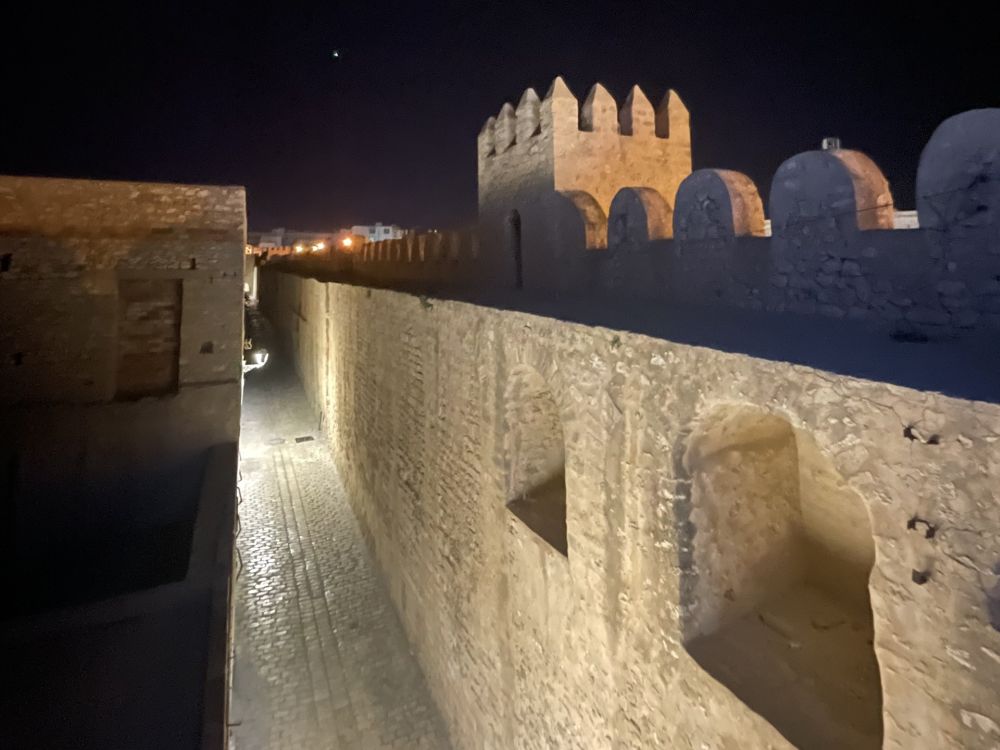
Wake up early to see the workers of the souks setting up their stalls and opening their shops and experience the build-up from a gentle rise to a bustling life in the Medina.
Don’t be afraid to walk without checking the map or GPS. Enjoy the feeling of getting “lost” in the alleyways of the Medina. If you spot a cafe full of locals, don’t hesitate to enter and experience the local hospitality outside of the regular places that tend to be more touristy.
There is plenty of accommodation in town for any budget, as well as places to eat. Tunisia is not a particularly expensive country so it’s a great destination no matter your style of travelling.
Where is the Medina of Sousse?
Located in the centre of Sousse, the Medina is easily accessed from the main train terminal and the bus station. Sousse is a major city in Tunisia so it’s also very easy to find shared taxis or louages from many other places in the country.
The city can be reached by train from the capital, Tunis, or the cities of Sfax and Gabes, with several other stops in between. By train, it takes about two and a half hours to get to Sousse from Tunis.
For more information about Soussa, go to the Visit Soussa website.
Have you been to Soussa? If so, do you have any additional information or advice about this UNESCO World Heritage site? Please add your comments below!