
China UNESCO sites (+map)
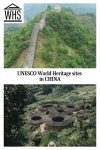
China has 61 UNESCO sites, many of them historical sites: imperial palaces and mausoleums, prehistoric archeological sites, ancient towns and villages with unique architectures and often unique cultural practices, and a few that relate to China’s colonial experience. Some are gardens or cultural landscapes like rice-growing or tea-growing areas. Many sites are related to religious expression: ancient temples and grottoes. Quite a few are geological features – mostly mountains – or nature reserves.
Click on the map below to get to the articles published so far (red dots), or use the list of all the sites below the map.
Northeast China
Capital Cities and Tombs of the Ancient Koguryo Kingdom
North China
Summer Palace, an Imperial Garden in Beijing
A summer retreat for China’s emperors, with extensive classical gardens, an artificial lake, and a collection of palace buildings.
Temple of Heaven: an Imperial Sacrificial Altar in Beijing
A religious complex used by Ming and Qing dynasty emperors that is significant both symbolically and architecturally.
Imperial Palaces of the Ming and Qing Dynasties in Beijing and Shenyang
Mountain Resort and its Outlying Temples, Chengde
Imperial Tombs of the Ming and Qing Dynasties
Ancient City of Ping Yao
Mount Wutai
Site of Xanadu
Yungang Grottoes
Peking Man Site at Zhoukoudian
Beijing Central Axis: A Building Ensemble Exhibiting the Ideal Order of the Chinese Capital
East China
Ancient Villages in Southern Anhui – Xidi and Hongcun
Picture-perfect traditional rural villages, unchanged since the feudal period.
Classical Gardens of Suzhou
Nine traditional Chinese gardens that artfully mirror the natural world in very limited spaces.
Fujian Tulou
Multi-family inward-facing houses built by the Hakka minority and still used to this day.
Kulangsu, a Historic International Settlement
An 18-century commercial port where foreign and Chinese influences mixed and intertwined, especially evident in the unique range of architecture.
Mount Taishan
One of the Five Great Mountains and an important place of worship, known for its Taoist temples.
Temple and Cemetery of Confucius and the Kong Family Mansion in Qufu
An architectural collection in the hometown of Confucius, who was hugely influential in the history of China and many other countries.
West Lake Cultural Landscape of Hangzhou
An ancient landscaped environment based on Buddhist principles in garden design that have been influential for over a thousand years.
Mount Huangshan
Archaeological Ruins of Liangzhu City
Lushan National Park
Quanzhou: Emporium of the World in Song-Yuan China
Mount Sanqingshan National Park
Mount Wuyi
Migratory Bird Sanctuaries along the Coast of Yellow Sea-Bohai Gulf of China (Phase I)
Jingdezhen Handicraft Porcelain Industry Sites
Central China
Historic Monuments of Dengfeng in “The Centre of Heaven and Earth”
Hubei Shennongjia
Longmen Grottoes
Tusi Sites
Ancient Building Complex in the Wudang Mountains
Wulingyuan Scenic and Historic Interest Area
Yin Xu
South China
China Danxia
Kaiping Diaolou and Villages
Historic Centre of Macao
Zuojiang Huashan Rock Art Cultural Landscape
Northwest China
Silk Roads: the Routes Network of Chang’an-Tianshan Corridor
Mausoleum of the First Qin Emperor
Mogao Caves
Xinjiang Tianshan
Badain Jaran Desert – Towers of Sand and Lakes
Xixia Imperial Tombs
Southwest China
Huanglong Scenic and Historic Interest Area
A beautiful high-elevation natural area known for its colorful ponds and waterfalls.
Jiuzhaigou Valley Scenic and Historic Interest Area
A spectacular landscape of karst landforms, lakes and waterfalls, home to a range of endangered species.
Old Town of Lijiang
A charming traditional Chinese town that combines Naxi, Han, Bai and Tibetan influences.
Chengjiang Fossil Site
Dazu Rock Carvings
Mount Emei Scenic Area, including Leshan Giant Buddha Scenic Area
Fanjingshan
Cultural Landscape of Honghe Hani Rice Terraces
Historic Ensemble of the Potala Palace, Lhasa
Mount Qingcheng and the Dujiangyan Irrigation System
Qinghai Hoh Xil
Sichuan Giant Panda Sanctuaries – Wolong, Mt Siguniang and Jiajin Mountains
Three Parallel Rivers of Yunnan Protected Areas
Cultural Landscape of Old Tea Forests of the Jingmai Mountain in Pu’er
Tentative list
Archeological sites
- Archaeological Sites of the Ancient Shu State: Site at Jinsha and Joint Tombs of Boat-shaped Coffins in Chengdu City, Sichuan Province; Site of Sanxingdui in Guanghan City, Sichuan Province 29C.BC-5C.BC
- Sites of Hongshan Culture: The Niuheliang Archaeological Site, the Hongshanhou Archaeological Site, and Weijiawopu Archaeological Site
- Site of Southern Yue State
- Tianzhushan
Historical and cultural sites
- Ancient Porcelain Kiln Site in China
- Ancient Residences in Shanxi and Shaanxi Provinces
- The Ancient Waterfront Towns in the South of Yangtze River
- Baiheliang Ancient Hydrological Inscription
- The Chinese Section of the Silk Roads
- City Walls of the Ming and Qing Dynasties
- Diaolou Buildings and Villages for Tibetan and Qiang Ethnic Groups
- Dong Villages
- Expansion Project of Imperial Tombs of the Ming and Qing Dynasties: King Lujian’s Tombs
- Fenghuang Ancient City
- The Four Sacred Mountains as an Extension of Mt. Taishan
- Hainan Tropical Rainforest and the Traditional Settlement of Li Ethnic Group
- Jinggangshan–North Wuyishan (Extension of Mount Wuyi)
- Karez Wells
- Lingqu Canal
- Miao Nationality Villages in Southeast Guizhou Province: The villages of Miao Nationality at the Foot of Leigong Mountain in Miao Ling Mountains
- SanFangQiXiang
- Scenic and historic area of Sacred Mountains and Lakes
- ShuDao
- Sites for Liquor Making in China
- Slender West Lake and Historic Urban Area in Yangzhou
- Tulin-Guge Scenic and Historic Interest Areas
- Wooden Structures of Liao Dynasty—Wooden Pagoda of Yingxian County, Main Hall of Fengguo Monastery of Yixian County
- Yalong, Tibet
Geological and fossil sites
- China Altay
- Dunhuang Yardangs
- Guizhou Shuanghe Cave
- Guizhou Triassic Fossil Sites
- Haitan Scenic Spots
- Heaven Pit and Ground Seam Scenic Spot
- Hezheng Mammalian Fossil Sites of Gansu
- Hua Shan Scenic Area
- Huangguoshu Scenic Area
- Jehol Biota Fossil Sites in Chaoyang
- Karakorum-Pamir
- The Lijiang River Scenic Zone at Guilin
- Maijishan Scenic Spots
- Nanxi River
- Taihang Mountain
- Vertical Vegetation Landscape and Volcanic Landscape in Changbai Mountain
- Wudalianchi Scenic Spots
- Xinjiang Yardang
- Yandang Mountain
- Yangtze Gorges Scenic Spot
- Zhangye Colorful Hills
Nature reserves
- The Alligator Sinensis Nature Reserve
- Dali Chanshan Mountain and Erhai Lake Scenic Spot
- Dongzhai Port Nature Reserve
- Fujian Minjiang River Estuary: The ecotone between marine and terrestrial biogeographical regions
- Guancen Mountain — Luya Mountain
- Hulun Buir Landscape & Birthplace of Ancient Minority
- Jinfushan Scenic Spot
- Poyang Nature Reserve
- Qinghai Lake
- Taklimakan Desert—Populus euphratica Forests